Seasonal Tips for Fence Maintenance: Ensure Your Fence Stays Beautiful Year-Round
Seasonal fence maintenance is vital for preserving both the longevity and appearance of outdoor structures. Regular inspections and care can prevent damage caused by weather and pest intrusions. Every season brings distinct challenges and responsibilities that demand care. Being aware of these seasonal obligations can substantially boost your fencing structure's resilience and overall appearance. Yet, a large number of homeowners tend to ignore these vital maintenance steps. So, what specific steps should one take to guarantee their fence remains resilient throughout the year?
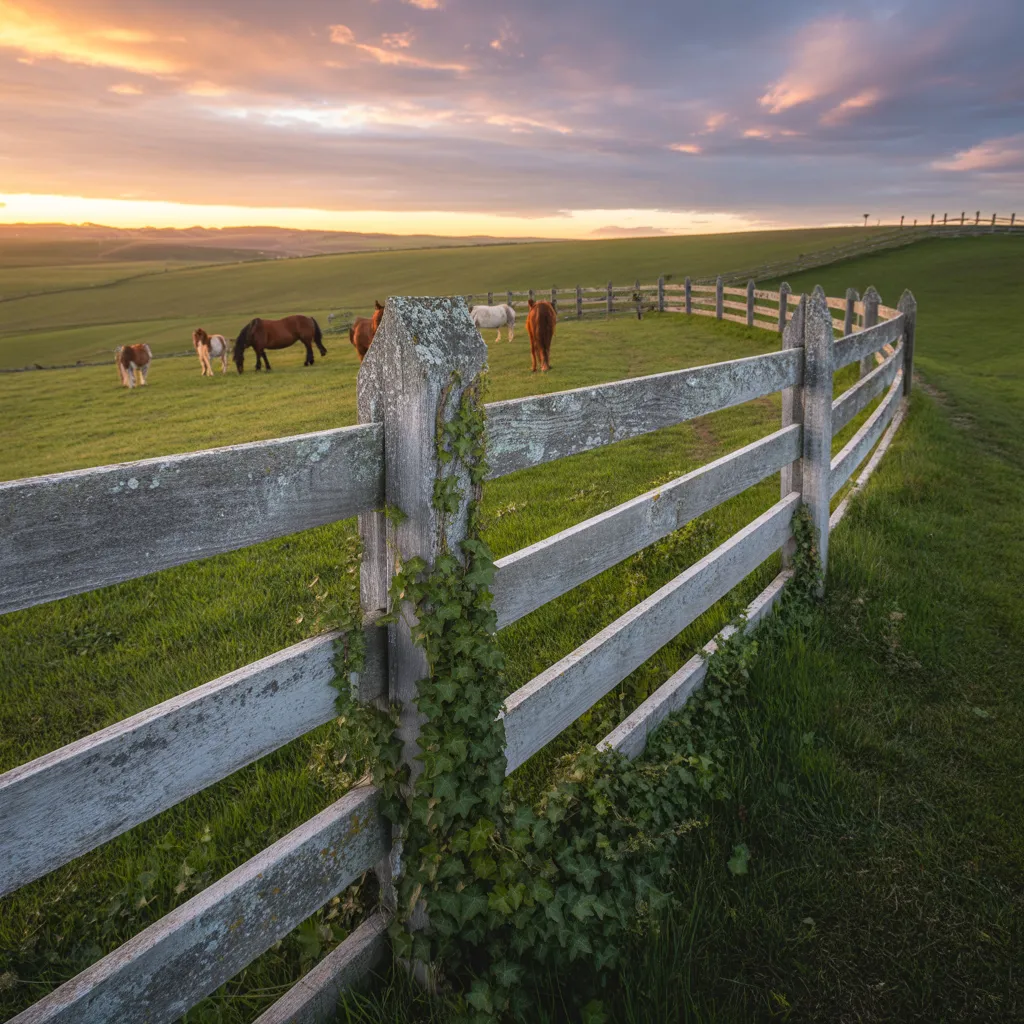
Why Seasonal Fence Maintenance Is Essential for Longevity and Aesthetics
Seasonal fence upkeep represents a dedication to maintaining both the durability and visual appeal of outdoor structures. Consistent maintenance is critical for guarding against deterioration from environmental factors, insects, and general wear. For wooden fences, treatments such as protective coatings and staining defend against dampness and deterioration, considerably increasing their longevity. Metal fences benefit from thorough examinations for rust and structural degradation, which, when neglected, may result in serious structural compromise.
Additionally, a visit now regularly maintained fence enhances the visual appeal of a property, providing a neat look that enhances the surrounding landscape. Routine seasonal assessments make possible timely repairs, preventing small imperfections never develop into costly replacements. By focusing on seasonal maintenance, homeowners not only preserve their financial investment but also add to the general appeal and worth of their residence. Regular care ultimately reflects a homeowner's commitment to their yard, nurturing a warm environment for both family and visitors.
Spring Cleanup: A Complete Fence Maintenance Checklist
As the winter season fades into spring, property owners should make a priority of a detailed fence maintenance checklist to secure their outdoor structures remain in top condition. Initially, a careful inspection of the fence is essential. Residents should inspect for loose boards, rust, and any signs of rot or damage. Furthermore, debris removal is vital; sweeping away leaves, dirt, and other waste stops moisture from building up and compromising the fence's overall structural integrity.
Cleaning is the following phase. A gentle power wash or scrub with soapy water can eliminate dirt and mildew. After washing, residents should determine if a fresh coat of sealant or stain is required to defend against upcoming weather conditions. Additionally, checking the fence posts and confirming they are stable will improve longevity. Finally, tackling any vegetation problems, such as overgrown plants, helps confirm the fence remains properly maintained and accessible throughout the season.
Summertime Care: Defending Your Fence Against Sun Exposure
In the summer months, regular maintenance is crucial for preserving a fence's integrity against harsh sun exposure. Extended sun exposure can cause wooden materials to warp, crack, or fade, affecting both aesthetics and structural integrity. To preserve a wooden fence, regular staining or sealing is advisable. This not only enhances aesthetics but also creates a barrier against UV rays.
For vinyl and metal fences, washing with a gentle detergent and water will prevent rust and discoloration. Additionally, examining for signs of damage, like loose boards or areas of rust, permits prompt repairs before conditions deteriorate. It is also beneficial to cut back surrounding vegetation to minimize shading and moisture retention, both of which can affect the fence's condition. By applying these warm-weather care practices, property owners can ensure their fences stay durable and attractive throughout the season.
Winterizing Your Fence: Critical Fall Preparation Steps
Being proactive about fence maintenance in the fall can significantly prolong its durability and performance through the winter months. Homeowners should begin by thoroughly inspecting the fence for deterioration, like cracks, loose boards, or rust. Any necessary repairs should be made promptly to prevent further deterioration. Washing the fence is equally important; removing dirt, mold, and debris helps maintain its appearance and prevents pest infestations.
Additionally, utilizing a protective sealant or stain offers defense against moisture and cold temperatures. For wooden fences, trimming back any overhanging branches guarantees that snow and ice do not accumulate on the structure, reducing the risk of damage. To finish, stabilizing or reinforcing any loose posts will allow the fence to hold up against harsh winter conditions. By taking these essential steps in the fall, homeowners can guarantee their fences remain sturdy and visually appealing throughout the winter season.
Winter-Proofing Your Fence: Important Steps for Protection
Preparing a fence for winter demands close attention to its state and protective steps. Homeowners are advised to start by examining any wear or damage that might have developed over the course of the year, making sure that any necessary repairs are addressed without delay. After completing this evaluation, adding protective coatings can assist in defending the fence from severe winter conditions.
Examine For Damage
Inspecting for damage is essential as the colder months approach, making sure fences stay strong and reliable. Homeowners should conduct a thorough examination of their fences , searching for indicators of deterioration like cracks, decay, or pest damage. Give special focus to the bottom of wooden posts, where moisture accumulation can lead to deterioration. Metallic fencing structures are prone to rust and corrosion, as vinyl alternatives are susceptible to becoming fragile in harsh winter conditions. Unstable boards or panels must be located and fixed to stop further deterioration during challenging weather. Consistent evaluations not only improve the fence's longevity but also copyright the property's appearance. Addressing issues promptly can save time and costs associated with more extensive repairs later on.
Add Protective Coatings
After identifying existing damage through careful inspection, using protective coatings is a critical step in preparing the fence for winter. This procedure entails choosing the right product based on the fence material, whether wood, vinyl, or metal. For wooden fences, a high-quality sealant or stain helps prevent moisture penetration and resist rot. Metal fences are protected by corrosion-resistant paint, which defends against corrosion. Vinyl fences typically benefit from specialized cleaners followed by a UV protectant to preserve their appearance. Proper application techniques, such as using brushes or sprayers, provide an even coating. Permit adequate drying time before winter weather sets in, as this enhances the coating's effectiveness. Ultimately, protective coatings considerably extend the longevity and visual appeal of fences throughout harsh winter conditions.
Diagnosing and Addressing Common Fence Problems
Maintaining a fence necessitates vigilance to detect and correct frequent concerns before they worsen. Property owners should periodically check their fences for evidence of deterioration, such as loose boards, rust, or rot. Loose boards can be easily fixed by replacing damaged sections or tightening screws, while rust on metal fences may call for sanding and repainting.
Moreover, it is critical to check for leaning or sagging posts, which can suggest a compromised foundation. If found, homeowners ought to strengthen or realign the posts to regain proper support.
Another frequent problem is the existence of pests, such as termites or carpenter bees, which can compromise wooden fences. Timely detection and treatment are critical to prevent extensive damage. Regularly cleaning the fence and maintaining adequate drainage can also help mitigate problems related to moisture. By staying proactive, homeowners can preserve the longevity and aesthetics of their fences.
Choosing the Right Treatments and Sealants for Your Fence Material
Tackling frequent fence issues creates a foundation for proper upkeep, encompassing the use of proper treatments and sealants matched to individual materials. Wooden fences, as an example, gain significant advantages from penetrating sealants that guard against moisture damage and deter pests. An exceptional stain can elevate the overall appearance while delivering reliable protection from UV exposure.
Vinyl fences, by contrast, demand less rigorous upkeep; a straightforward scrub with soap and water is usually all that is needed. For metal fences, rust-inhibiting paint or sealants are vital to extend longevity, as they defend against the damaging effects of corrosion.
It is important to take into account weather conditions when deciding on treatments. In locations where humidity is high, for instance, mildew-resistant treatments may be required. Ultimately, choosing the right treatment not only protects the fence's look but also improves its longevity, making certain that it holds up against seasonal variations successfully.
Recognizing When to Call a Fence Expert
When is it time for homeowners to consider reaching out to a professional fence contractor? There are several key indicators that suggest it may be time to seek expert assistance. First, if a fence displays noticeable signs of deterioration, such as serious tilting, major cracks, or widespread decay, a qualified expert can evaluate the damage and suggest suitable repairs or replacements. Moreover, if the fence needs intricate alterations or installations—like adding gates or extending height—an professional's expertise will ensure adherence to local codes and optimal performance.
Additionally, homeowners who struggle with persistent pests, like termites or aggressive plant growth, could greatly benefit from a fence professional's specialized treatment approach. Lastly, when a homeowner is overwhelmed by maintenance requirements or does not possess the required tools and expertise, bringing in a fencing professional can save time and guarantee high-quality results. In the end, being aware of these signs enables homeowners to preserve their fences at their best.
Common Questions and Answers
How Regularly Should I Examine My Fence for Damage?
Periodic fence evaluations ought to take place at least twice a year, with spring and fall being the ideal times. Additional inspections are recommended after severe weather events to promptly identify and address any possible harm.
Which Fencing Materials Require the Minimum Maintenance?
Vinyl and aluminum fencing demand minimal upkeep owing to their resilient properties and natural resistance to rot, rust, and fading. These fencing materials generally require only periodic cleaning, which makes them an excellent option for those seeking low-maintenance fencing solutions.
Can I Paint My Fence Any Time of Year?
Fence painting is possible at any time of year, but the best results are achieved in mild, dry weather. High humidity or extreme temperatures may impact paint adhesion and drying time, which could result in an uneven finish or peeling over time.
In What Ways Do Weather Conditions Influence Fence Maintenance Schedules?
Weather conditions notably impact fence care schedules. Moisture and humidity may postpone painting or staining, whereas intense heat can lead to material warping. Changes across seasons call for adjustments in upkeep timing to secure the best possible care and long-term performance.
What Tools Are Needed for Basic Fence Maintenance?
Basic fence maintenance requires a few essential tools: a pressure washer or garden hose, scrub brushes, stain or paint application tools, a hammer, nails, a carpenter's level, and proper safety equipment. With these tools, you can maintain your fence effectively and maximize its durability.